

Fire Safety Compliance Experts
Young's Construction specialises in the installation and inspection of fire doors to FD30s standards. We ensure your property meets all fire safety regulations with professionally fitted, certified fire doors. Our services are available across Wymondham, Norwich, Attleborough, Dereham, Watton, Thetford and the wider Norfolk area, serving both residential and commercial clients who need reliable fire safety solutions.
Understanding FD30s Fire Doors
What is FD30s?
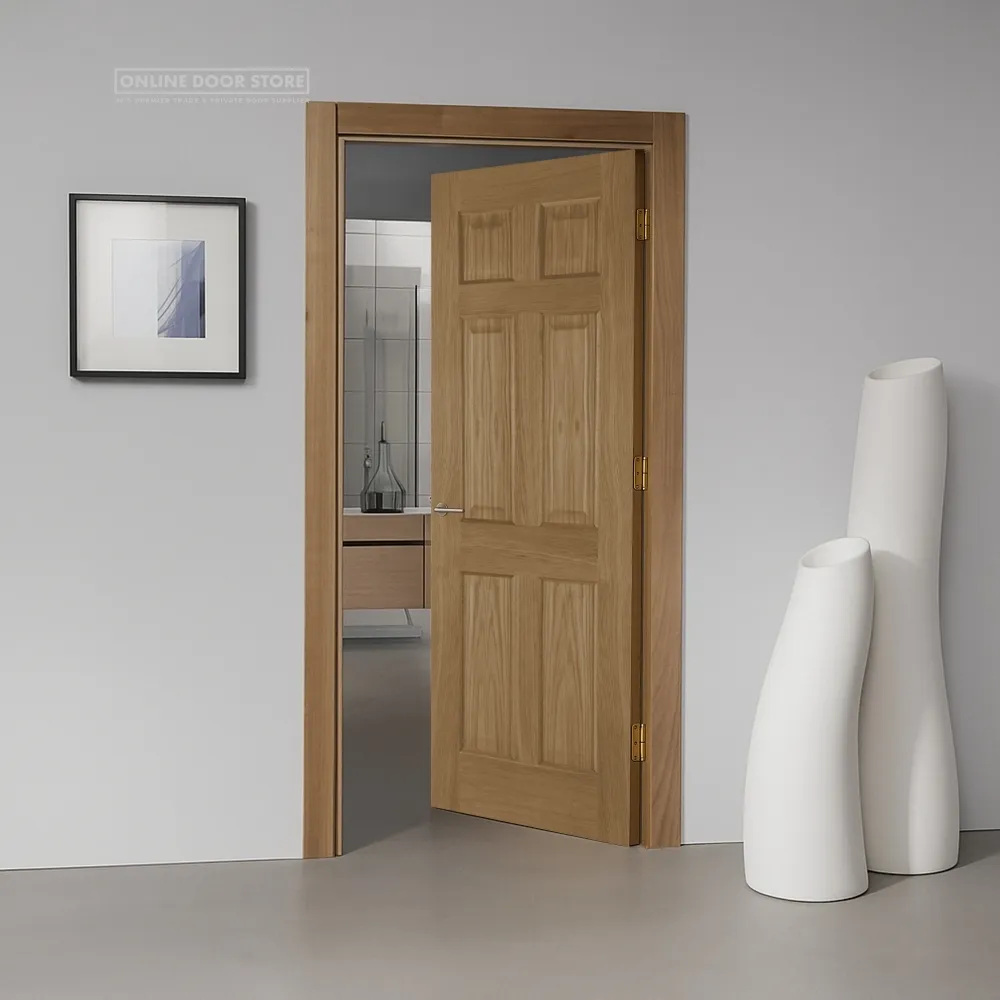
FD30s fire doors are designed to resist fire for 30 minutes and include smoke seals (the 's' designation). These doors are essential in residential and commercial properties, providing crucial time for evacuation and containing fire spread between compartments. Under Building Regulations Approved Document B, fire doors are a legal requirement in many situations, including all new-build homes with two or more storeys, flats and apartments where doors open onto communal areas, HMOs (houses in multiple occupation), and commercial premises including offices, shops and hospitality venues. The regulations also require fire doors to be fitted to rooms that open onto a stairway in a dwelling of two or more storeys, ensuring escape routes remain protected in the event of a fire.
Professional Installation
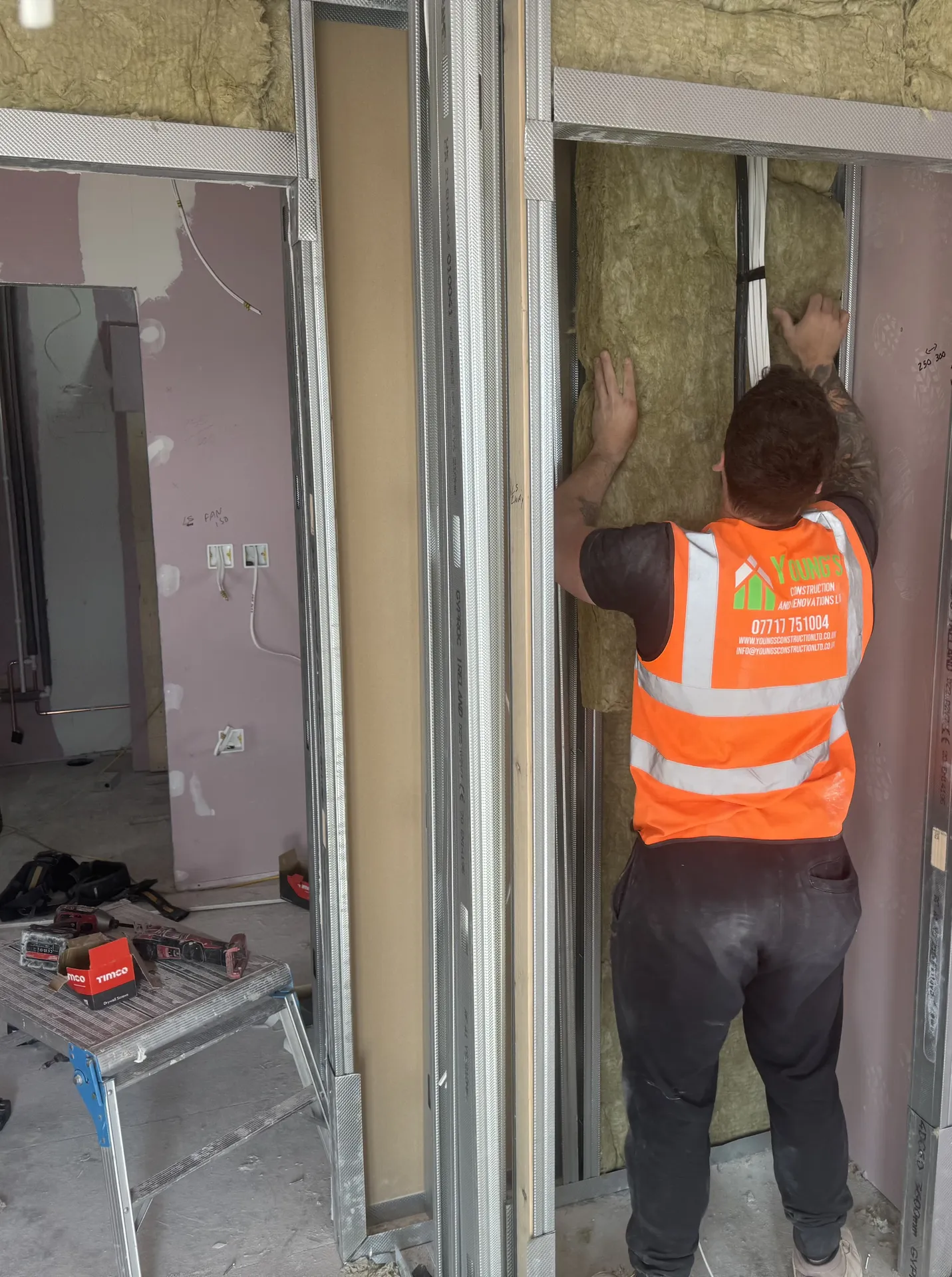
Our qualified team ensures fire doors are installed correctly with proper intumescent strips, smoke seals, and certified hardware. Incorrect installation can compromise a fire door's effectiveness, which is why professional fitting is essential. We follow manufacturer guidelines precisely when trimming doors to fit, as excessive trimming can void the fire rating. All ironmongery, including hinges, latches and closers, must be fire-rated and compatible with the door. We use a minimum of three CE-marked hinges per door and install self-closing devices that meet BS EN 1154. Every installation is documented with photographs and a completion certificate for your records and for Building Control purposes.
Fire Door Inspections
Regular inspections are vital to ensure fire doors remain compliant and functional. We provide comprehensive inspection services, checking all components including hinges, seals, closers, and frame integrity to meet current fire safety regulations. Our inspection checklist covers gaps around the door leaf (which must not exceed 3mm when closed), the condition and continuity of intumescent strips and smoke seals, correct operation of the self-closing device, the condition of glazing and glazing seals where applicable, signage on the door, frame integrity and any signs of damage, warping or delamination, and the presence and function of all required ironmongery. Following each inspection, we provide a detailed written report highlighting any deficiencies and recommendations for remedial work.
Common Issues Found During Inspections
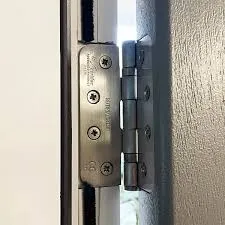
Through our inspection work across Norfolk, we frequently encounter issues that compromise fire door performance. The most common problems include doors that have been trimmed excessively, removing the internal core material and voiding the fire rating. Missing or damaged intumescent strips are another regular finding, as these expand in heat to seal the gap between the door and frame. Faulty or disconnected self-closing devices mean the door will not close automatically in a fire, rendering it ineffective. Incorrect gaps around the door leaf, particularly at the threshold, allow smoke to pass freely. We also find non-fire-rated ironmongery fitted to fire doors, such as standard hinges or letter plates without fire protection. All of these issues can be resolved, and we carry out remedial work as part of our service to bring your doors back to full compliance.
Why Choose Young's for Fire Doors?
- Certified Expertise: Our team is trained in fire door installation and compliance standards
- Quality Products: We supply and install certified FD30s doors from trusted manufacturers
- Complete Service: From initial survey through installation to ongoing inspection
- Compliance Assurance: Full documentation and certification for Building Regulations
- Residential & Commercial: Serving both domestic and commercial clients across Norfolk
- Remedial Works: We repair and upgrade existing fire doors that fail inspection
- Building Regulations Knowledge: We work to Approved Document B and current British Standards
When Are Fire Doors Required by Law?
Understanding when fire doors are legally required can be confusing, so here is a clear summary. In new-build houses of two or more storeys, fire doors must be fitted to every habitable room that opens onto a hallway or stairway that forms part of the escape route. In flats and apartments, the entrance door to each flat must be a fire door, and fire doors are required on corridors and stairwells in the communal areas. For HMOs, every room used for sleeping must have a fire door, and they are also required on kitchens and living rooms that open onto escape routes. In commercial properties, the Regulatory Reform (Fire Safety) Order 2005 requires the responsible person to carry out a fire risk assessment, and fire doors must be installed wherever the assessment identifies a need for compartmentation. Landlords have a legal duty to ensure fire doors in communal areas are maintained and inspected regularly.
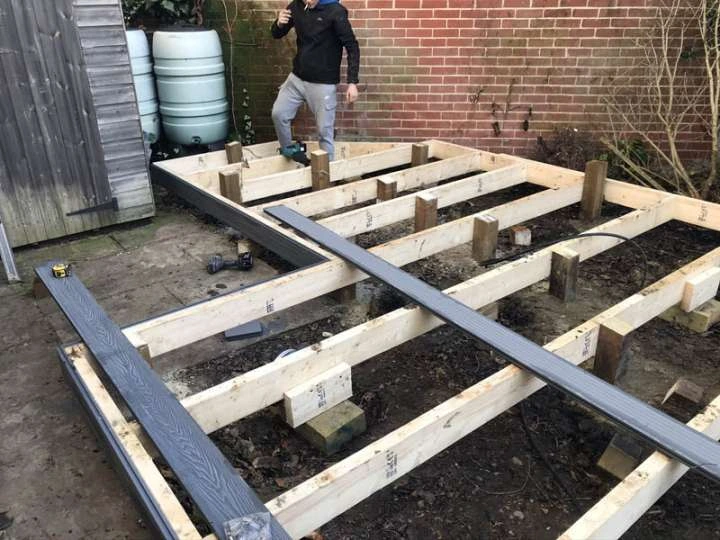
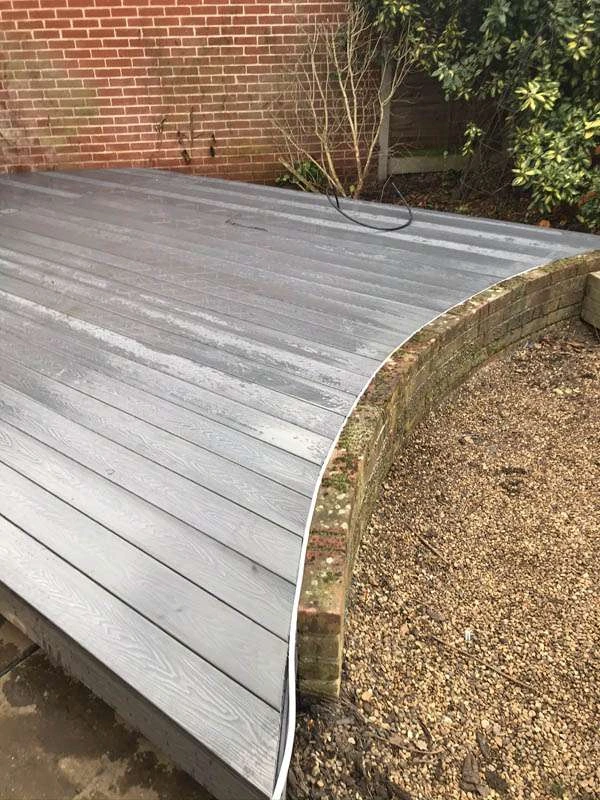
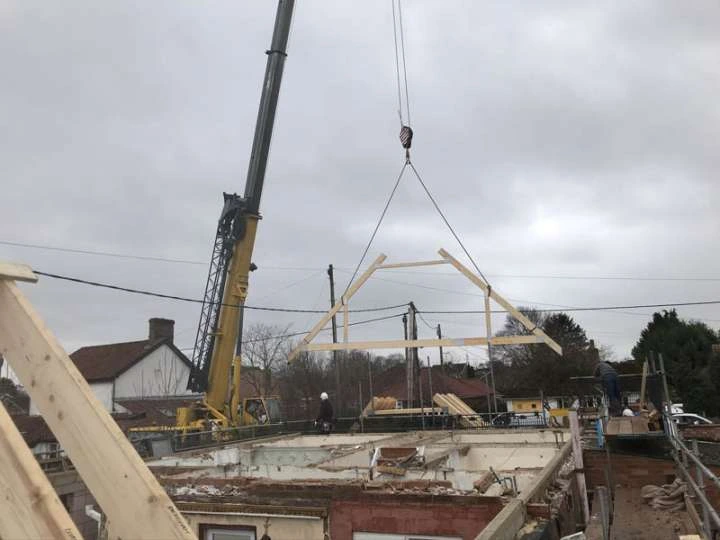
Our Fire Safety Work
Frequently Asked Questions
How often should fire doors be inspected?
Fire doors should be inspected at least every six months in commercial properties and communal areas of residential buildings. For individual dwellings, we recommend an annual check. Regular inspections ensure that all components remain functional and compliant. If you notice any damage or issues between inspections, contact us promptly for a remedial assessment.
Can existing doors be upgraded to fire doors?
Standard doors cannot simply be upgraded to fire doors. Fire doors are manufactured with a specific core construction that provides the required fire resistance. However, we can replace your existing doors with certified FD30s fire doors, reusing existing frames where they are suitable or installing new fire-rated frames where needed.
What documentation do I receive after installation?
After every installation, we provide a completion certificate, photographic evidence of the installation, details of all products and ironmongery used including their certification, and a maintenance guidance sheet. This documentation is important for Building Control sign-off and for demonstrating compliance during future inspections or audits.
Do fire doors need to be self-closing?
Yes. All fire doors must be fitted with a self-closing device that returns the door to the fully closed position automatically. The closer must meet BS EN 1154 and be powerful enough to overcome any resistance from seals or latches. Hold-open devices are permitted in some situations but must be connected to the fire alarm system so the door releases automatically when the alarm activates.
Which areas do you cover for fire door services?
We install and inspect fire doors across Wymondham, Norwich, Attleborough, Dereham, Watton, Thetford and the surrounding Norfolk area. We serve both residential and commercial clients. Please get in touch to discuss your requirements.
Need Fire Door Installation or Inspection?
Contact us for expert fire door services. Whether you need new installations or compliance inspections, we are here to help.
Use Our Quote Tool Call Us Now